Online shopping has rewritten the rules of retail. Now, the platforms are competing for the crown. With hosted eCommerce platforms rising as a favourite among digital entrepreneurs, many businesses question whether traditional eCommerce website development still holds its place.
Pulse Marketing dives into this shift, examining the strengths and trade-offs of custom-built solutions. If you are mapping out your online sales strategy, this guide will help clarify which path aligns best with your business model and growth plan.
Understanding Traditional eCommerce Website Development
Traditional e-commerce website development involves building a custom online store from the ground up. It typically requires a team of developers, designers, and marketers. The process includes front-end and back-end development, server configuration, CMS integration, and payment gateway setup. Popular platforms like Magento, WooCommerce, and custom PHP frameworks are commonly used.
This method offers complete flexibility. Businesses can design unique features, tailor user experiences, and maintain full control over their site’s functionality. However, the process is time-consuming, costly, and requires regular maintenance. Security, scalability, and user experience depend heavily on the development team’s expertise.
While traditional development offers unmatched customisation, it also demands a bigger budget and a longer timeline. For companies with complex needs, it can still be the preferred choice. For those looking to move faster or reduce technical dependencies, alternatives like Shopify and Paystack Store Front have become attractive.
Overview of Hosted eCommerce Platform Solutions
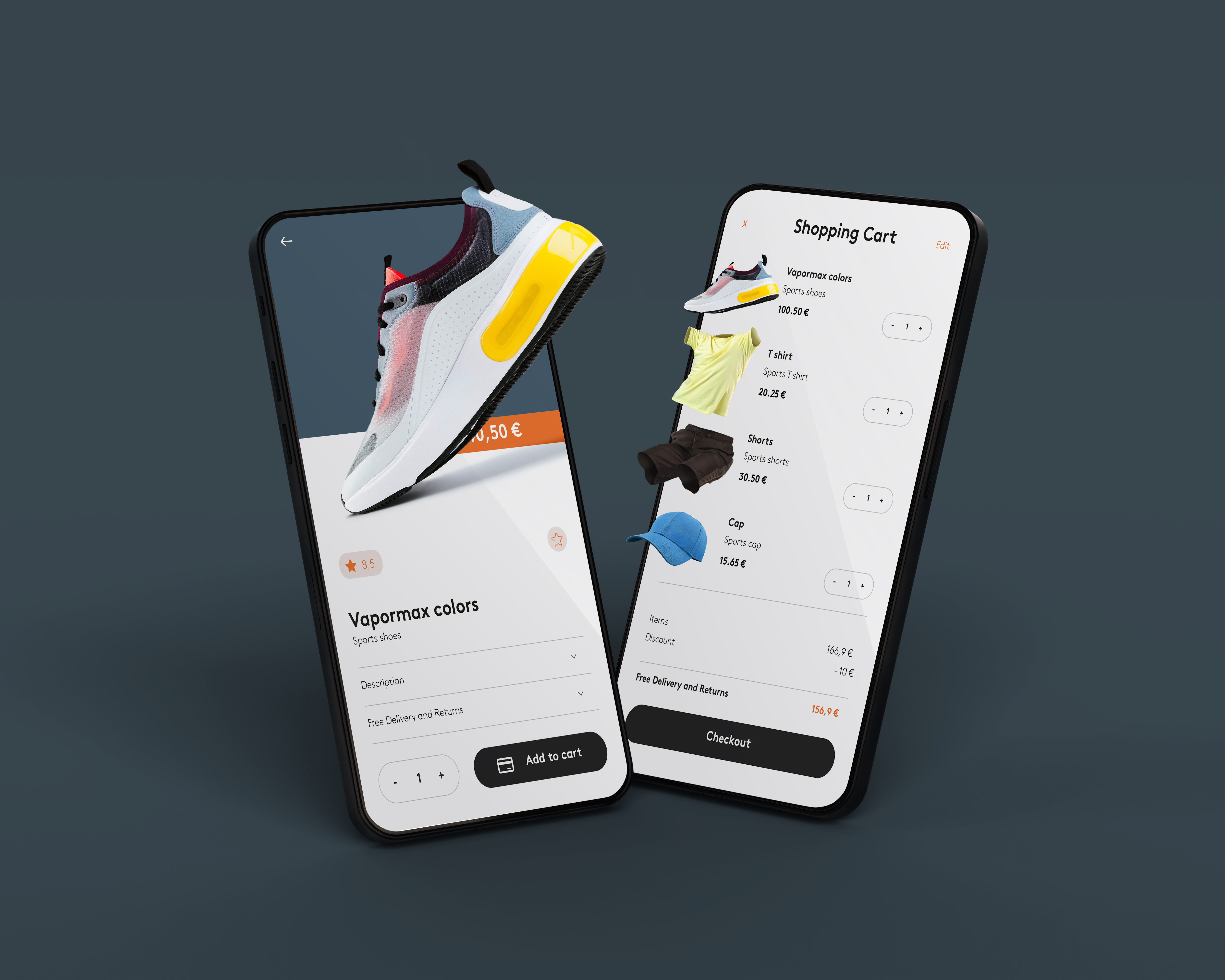
Paystack Storefront, Shopify, and other hosted eCommerce platforms allow users to create and manage online stores without needing technical skills. It offers ready-made templates, integrated payment systems, and a user-friendly interface. The strength of hosted eCommerce platforms lies in its simplicity and scalability. Businesses can launch a fully functional store in days, not weeks.
With features like mobile optimisation, SEO tools, and inventory management, hosted eCommerce platforms cover most basic eCommerce needs out of the box. It also supports third-party app integrations for added functionality. For entrepreneurs or small businesses, hosted eCommerce platforms eliminate the need for a large development team.
According to Digital Silk, about 5 million websites use Shopify globally. Giants likeGymshark,Allbirds, andHeinz trust them for their reliability and performance. Despite its limitations in deep customisation, Shopify delivers speed, support, and cost-efficiency. It is even more desirable for new businesses or fast-scaling brands.
Comparing Hosted with Traditional eCommerce Website Development
When it comes to e-commerce website development, hosted and traditional methods serve different business needs. Hosted eCommerce platforms offer a plug-and-play model. It is ideal for those who want to focus on sales and marketing without worrying about code. It reduces setup time and ongoing technical burdens.
On the other hand, traditional development offers full control and long-term flexibility. Businesses can craft personalised experiences and integrate custom solutions. However, this comes at a higher cost and often a steeper learning curve.
Security and maintenance are built into the monthly subscription of hosted eCommerce platforms, whereas traditional sites require separate hosting, updates, and technical support. While the ease of using hosted eCommerce platforms is unmatched, it can feel restrictive for brands needing unique features or advanced systems.
Ultimately, it is not about one replacing the other. It is about choosing the right approach for your business model, goals, and budget.BigCommerce and other SaaS platforms add to this growing ecosystem of options.
Choosing Between Hosted and Traditional Development for Your Business
Deciding between hosted and traditional e-commerce website development depends on your business objectives. Startups and small businesses often choose hosted eCommerce platforms for their low entry cost, fast launch capabilities, and integrated tools. It is perfect for MVPs, dropshipping, or niche product lines.
Enterprises with complex systems may prefer traditional development for its flexibility and scalability. If your brand needs custom user journeys, ERP integration, or unique checkout flows, a bespoke site is likely a better fit.
Final Thoughts on eCommerce Website Development
So, have hosted eCommerce platforms replaced traditional e-commerce website development? The answer is no. While it has revolutionised how we launch and run online stores, traditional development still holds value for businesses seeking complete customisation and control. Both have their merits. For instance, hosted eCommerce platforms offer speed and simplicity, and traditional methods provide flexibility and power. The key is aligning your choice with your business goals, resources, and growth plans.
Still unsure? Connect withPulse Marketing for tailored advice on which path suits your digital strategy. You can also reach out directly via ourcontact page for expert consultation.
Every business owner wants more sales, yet no two can follow the same content plan. Their customers ask different questions, worry about different things and buy for different reasons. This article shows business owners how to use content marketing to improve their sales.
Many Nigerian businesses invest time and money in online marketing but struggle to turn engagement into actual sales. From attracting the wrong audience to posting without a clear purpose, these common mistakes can limit business growth. Better marketing results start with understanding what Nigerian customers want and how they make buying decisions.
Picture your computer as a brilliant intern who never sleeps, never borrows your charger, and never writes "per my last email." That intern is available to you now. With the recent announcement by Nvidia and Microsoft, your computing experience and AI marketing are about to change forever.
Pulse Marketing developed milestone-led storytelling around the Top 100, Top 20, Semi-Final and Grand Finale. We extended the conversation beyond competition announcements into founder stories and ecosystem content, creating a more continuous digital presence and giving audiences reasons to remain connected between major moments.
Since a wordmark is not necessarily a brand’s logo, what Instagram did falls under a micro-branding strategy. The new lettering keeps a connection to Instagram’s expressive heritage while introducing a warm look. This micro-branding strategy does not require tearing down an identity and starting over. Instead, all your brand needs is to adjust the typography or modernise selected touchpoints.
This brand-new feature has premium tools designed to give creators and businesses unprecedented control over their content engagement and data. If you have been looking for a way to slice through the noise and build a hyper-focused strategy, these features are about to become your new secret weapons.