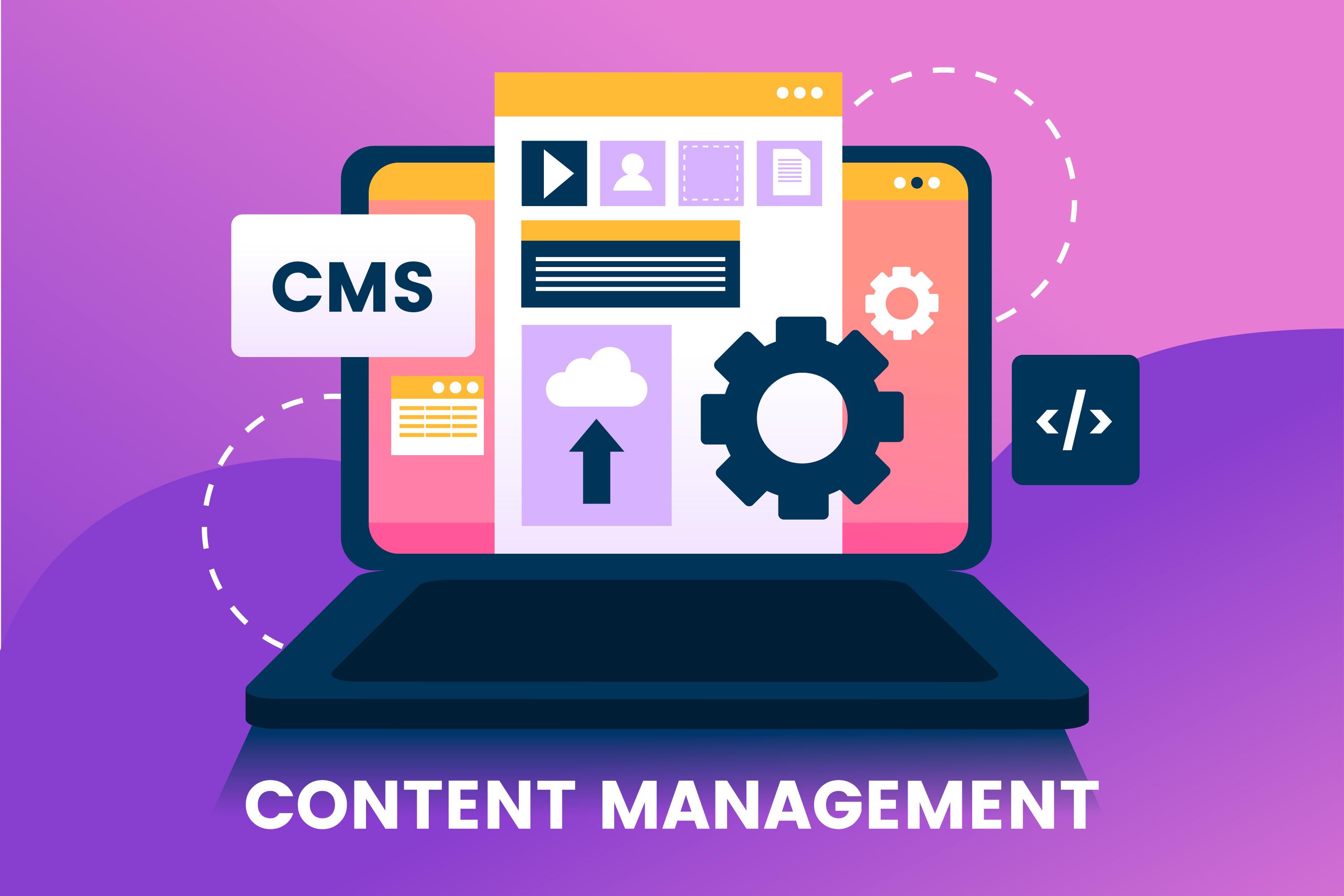
Managing digital content should not feel like coding a spaceship. Thankfully, Content Management Systems (CMS) exist to simplify that process. In this age of automation and scalability, a CMS is the backbone of DIY website development.
CMS works the same for a personal blog or a corporate site with hundreds of pages. Hence, this article breaks down how CMS platforms empower businesses to take control of their websites, streamline content updates, and focus on what really matters: delivering value to users.
What Is a Content Management System?
A Content Management System is a software that enables users to create, manage, and modify website content without technical coding skills. Popular CMS platforms likeWordPress,Drupal, andJoomla allow businesses to launch websites quickly and maintain them easily.
These systems come with built-in templates, plugins, and user-friendly interfaces. This makes them ideal for businesses seeking professional websites without high development costs.
Why a CMS Is Crucial for Website Development
A CMS simplifies every stage of website development, from initial design to ongoing content updates. Here is why it is the key to building a successful online presence:
1. User-Friendly Interface
Most CMS platforms have an intuitive dashboard. This allows non-tech users to update text, upload images, and publish new pages. You do not need to be a developer to keep your site up to date.
2. Cost-Effective
Custom websites can be expensive to build and maintain. A CMS reduces these costs by allowing internal teams to manage updates and content creation, saving money on external support.
3. Scalable
A CMS grows with your business. As your needs evolve, you can add more pages, features, or even switch themes without rebuilding your entire site.
4. SEO Benefits
Most CMS platforms are optimised for search engines. You can easily add meta descriptions, keywords, and SEO-friendly URLs. Tools likeYoast SEO further help improve your website’s visibility online.
5. Content Scheduling
One of the most powerful features of a CMS is the ability to schedule content. You can plan posts, updates, or campaigns, which ensures a consistent user experience.
How a CMS Enhances Digital Marketing Through Website Development
With a CMS, integrating digital marketing tools is seamless. Whether you are adding a newsletter signup form, embedding social media feeds, or running A/B tests, a CMS makes it all manageable. For example, Pulse Marketing can integrate your CMS with tools that boost engagement and lead generation.
The Role of CMS in Website Development
A Content Management System is not just a tool; it is a smart investment in your business’s digital success. It simplifies operations, enhances security, supports SEO, and allows your team to focus on what matters most: delivering value to your audience.
Selecting the best CMS depends on your business needs. WordPress, for example, is perfect for blogs and small businesses. Drupal is better suited for complex and highly customised websites. Joomla offers a balance between ease of use and flexibility.
For businesses ready to step into the digital spotlight, contact Pulse Marketing for the expertise and tools to make your website a success.
Every business owner wants more sales, yet no two can follow the same content plan. Their customers ask different questions, worry about different things and buy for different reasons. This article shows business owners how to use content marketing to improve their sales.
Many Nigerian businesses invest time and money in online marketing but struggle to turn engagement into actual sales. From attracting the wrong audience to posting without a clear purpose, these common mistakes can limit business growth. Better marketing results start with understanding what Nigerian customers want and how they make buying decisions.
Picture your computer as a brilliant intern who never sleeps, never borrows your charger, and never writes "per my last email." That intern is available to you now. With the recent announcement by Nvidia and Microsoft, your computing experience and AI marketing are about to change forever.
Pulse Marketing developed milestone-led storytelling around the Top 100, Top 20, Semi-Final and Grand Finale. We extended the conversation beyond competition announcements into founder stories and ecosystem content, creating a more continuous digital presence and giving audiences reasons to remain connected between major moments.
Since a wordmark is not necessarily a brand’s logo, what Instagram did falls under a micro-branding strategy. The new lettering keeps a connection to Instagram’s expressive heritage while introducing a warm look. This micro-branding strategy does not require tearing down an identity and starting over. Instead, all your brand needs is to adjust the typography or modernise selected touchpoints.
This brand-new feature has premium tools designed to give creators and businesses unprecedented control over their content engagement and data. If you have been looking for a way to slice through the noise and build a hyper-focused strategy, these features are about to become your new secret weapons.