Every December, Nigerian consumers are flooded with campaigns trying to attach themselves to “Detty December.” Billboards go up. Sponsored banners cover event venues. Social feeds fill with seasonal promos and party content.
Most of it is ignored. Not because people aren’t paying attention, but because brands mistake visibility for relevance. They treat culture like ad space instead of a real social moment people are emotionally invested in.
The brands people remember are usually the ones that feel naturally part of the experience itself. The rule is simple:
Advertising around culture feels external. Participating in culture feels native.
The Shift From Paid Attention to Earned Relevance
Cultural relevance cannot simply be bought. It has to be earned through context, timing, and participation.
That shift changes the entire role of marketing.
Instead of asking: “How do we advertise here?”
Smart brands ask: “How do we belong here?”
The difference matters because people do not remember brands in isolation. They remember brands attached to feelings, environments, and experiences.
Detty December already comes with emotional energy built in: anticipation, attraction, spontaneity, nightlife, connection. Brands that integrate naturally into those moments inherit some of that emotional memory. That was the thinking behind Durex’s December campaign.
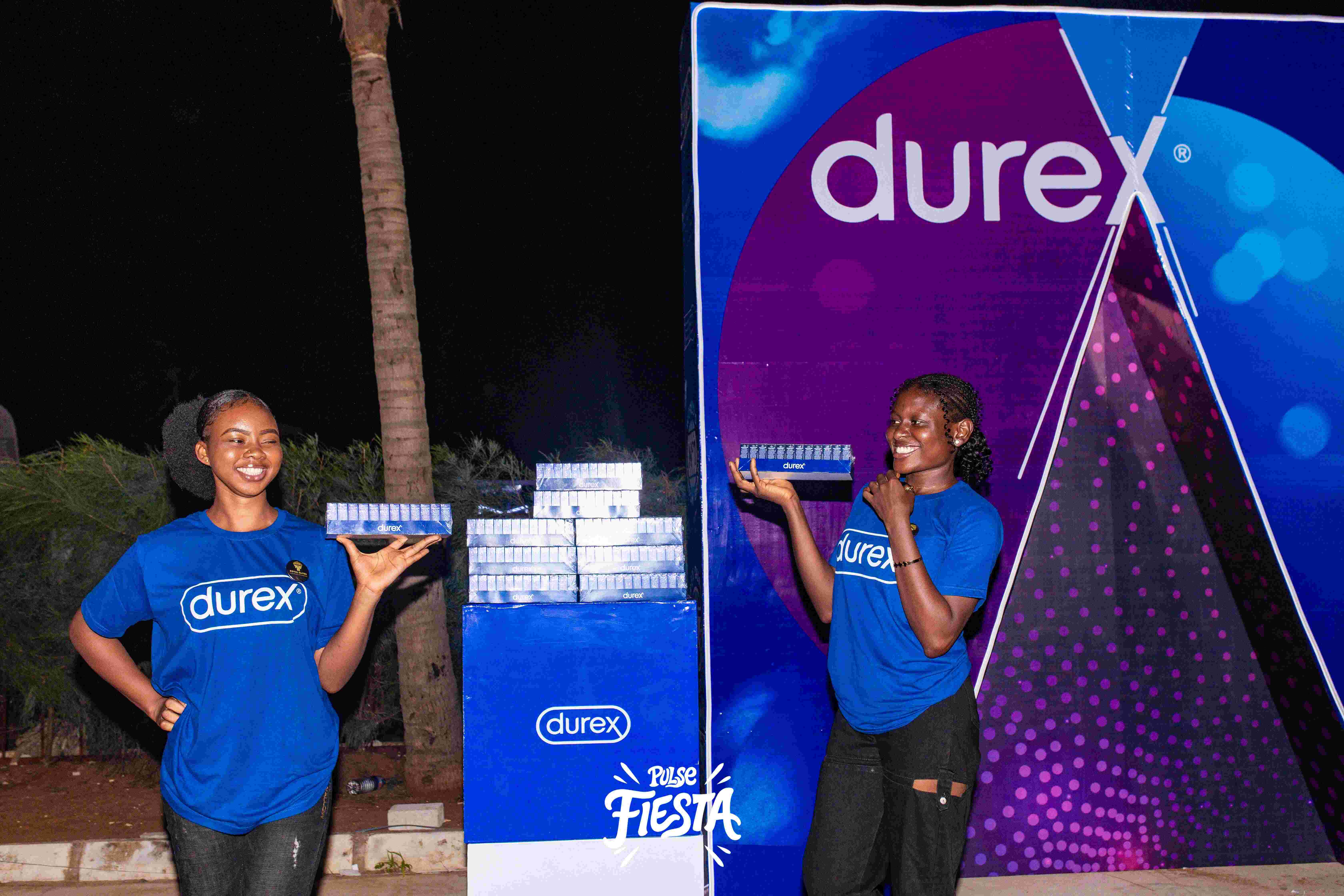
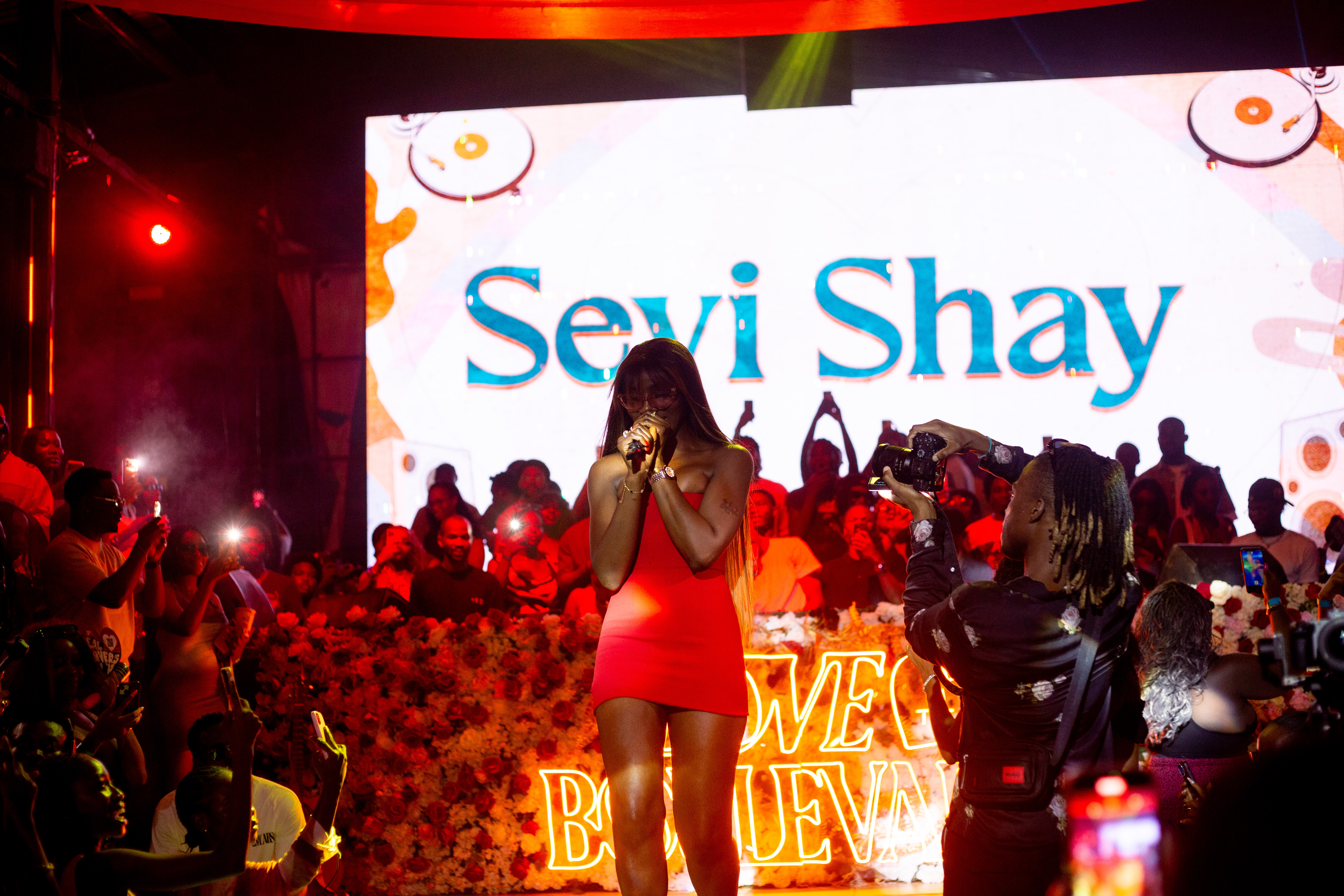
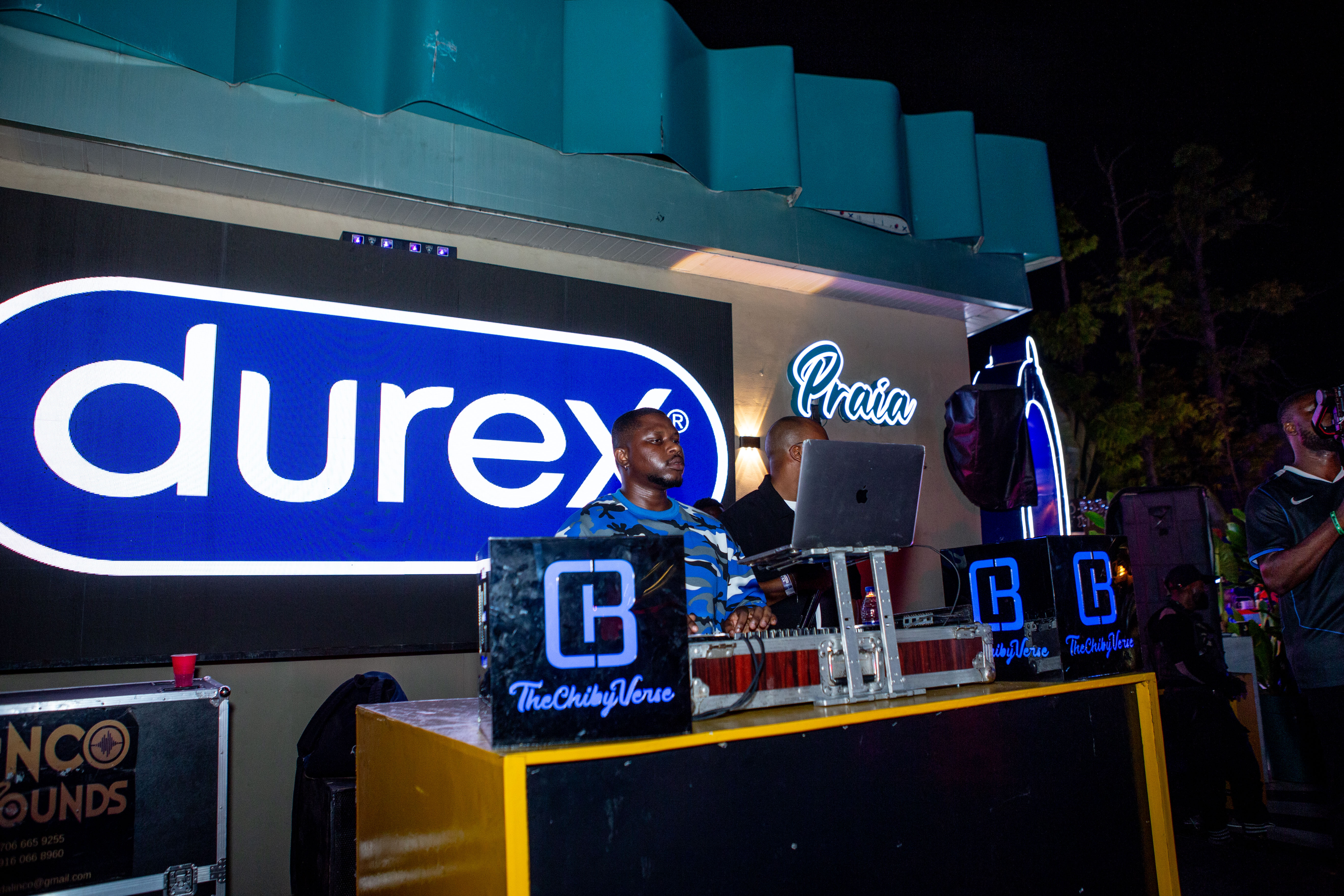
Instead of flooding events with generic branding, the brand embedded itself into carefully selected experiences like Pulse Fiesta, South Social, and Love in the Boulevard.
Each environment played a different role socially:
Pulse Fiesta created visibility and the first interaction.
South Social introduced intimacy through experiences like the Kissing Booth.
Love in the Boulevard leaned fully into connection, chemistry, and anticipation.
The product never felt forced into the conversation because the context already supported it. So when it came time to introduce Mutual Climax, the campaign did not rely on a loud product announcement. The season itself carried the message.
That is the difference between sponsorship and participation.
Sponsorship buys visibility.
Participation earns emotional proximity.
And audiences can immediately feel the difference.
Why Participation Works Better Than Interruption
Traditional seasonal advertising often interrupts the experience people came for. Cultural participation works differently. Instead of pulling attention away from the moment, it adds to it.
A fintech brand enabling smooth split payments at a crowded food festival feels useful. A beverage brand creating a dance challenge with local creators feels socially aware. A wellness brand creating experiences around intimacy during Detty December feels contextually aligned.
In each case, the brand becomes part of the environment rather than competing against it. That distinction matters because modern audiences have become extremely skilled at filtering out anything that feels commercially forced.
Keeping Pace With Culture
Participating in culture also means moving at the speed of culture. Delayed content quickly becomes irrelevant, especially during fast-moving seasonal moments like December in Nigeria.
Real-time content becomes important not just for visibility, but for extending the experience beyond the physical event itself. People who are not in the room should still feel connected to the energy of the moment online.
For Durex, that meant a high-frequency content approach across multiple platforms: dozens of feed posts alongside hundreds of Instagram Stories designed to capture moments as they happened. But volume alone is not the goal. Relevance is. When brands successfully capture real emotion and social behaviour in real time, audiences respond differently:
millions of people reached
sustained engagement across platforms
stronger community growth
deeper brand familiarity
Not because the brand shouted the loudest, but because it felt socially fluent within the moment itself. Want to see how this strategy translated into real-world execution and results? Read the full Durex Detty December case study.
The Risk of Forced Participation
Still, participation is not automatically effective. One of the biggest mistakes brands make is forcing themselves into conversations where they do not naturally belong. Consumers have a strong authenticity radar. If the connection between the brand and the moment feels weak, participation quickly becomes performative.
A B2B enterprise software company trying to insert itself into late-night festival culture will likely feel disconnected, regardless of execution quality. The same applies to content velocity. Constant posting without substance simply recreates the same digital noise brands were trying to avoid in the first place. Successful participation requires restraint as much as presence. Sometimes knowing when not to speak is part of understanding the room.
The Takeaway
Visibility alone is no longer enough. Audiences can tell the difference between a brand showing up to sell and a brand showing up to contribute to the experience around them. The brands that win are the ones that understand the room, match the emotional energy of the audience, and create experiences people genuinely want to be part of. Because in culture-driven moments, participation is what people remember.
Every business owner wants more sales, yet no two can follow the same content plan. Their customers ask different questions, worry about different things and buy for different reasons. This article shows business owners how to use content marketing to improve their sales.
Many Nigerian businesses invest time and money in online marketing but struggle to turn engagement into actual sales. From attracting the wrong audience to posting without a clear purpose, these common mistakes can limit business growth. Better marketing results start with understanding what Nigerian customers want and how they make buying decisions.
Picture your computer as a brilliant intern who never sleeps, never borrows your charger, and never writes "per my last email." That intern is available to you now. With the recent announcement by Nvidia and Microsoft, your computing experience and AI marketing are about to change forever.
Pulse Marketing developed milestone-led storytelling around the Top 100, Top 20, Semi-Final and Grand Finale. We extended the conversation beyond competition announcements into founder stories and ecosystem content, creating a more continuous digital presence and giving audiences reasons to remain connected between major moments.
Since a wordmark is not necessarily a brand’s logo, what Instagram did falls under a micro-branding strategy. The new lettering keeps a connection to Instagram’s expressive heritage while introducing a warm look. This micro-branding strategy does not require tearing down an identity and starting over. Instead, all your brand needs is to adjust the typography or modernise selected touchpoints.
This brand-new feature has premium tools designed to give creators and businesses unprecedented control over their content engagement and data. If you have been looking for a way to slice through the noise and build a hyper-focused strategy, these features are about to become your new secret weapons.