

Five Types of Professional Video Production for Nigerian Businesses
November 25, 2026
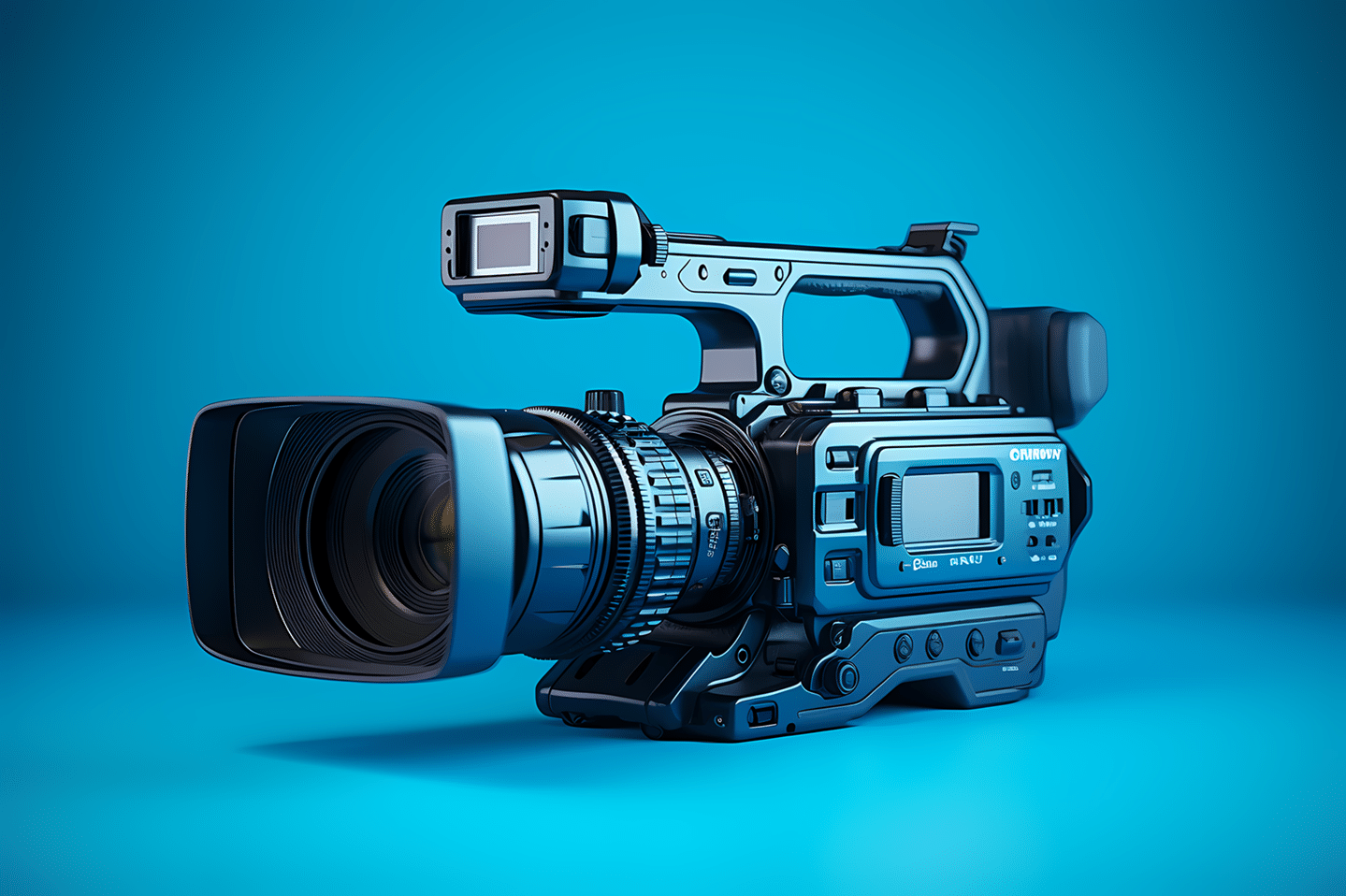
A fashion label in Lagos, a fintech in Abuja and an estate firm in Port Harcourt all need video, but not the same kind. A professional video production offers different ways to present products, services and brand stories in ways Nigerian customers can relate to.
Businesses looking to create engaging video content need formats that communicate their message clearly and appeal to their target audience. From storytelling to interviews and animated visuals, each format serves a different purpose. This article explains five types of video productions, how they work and when Nigerian businesses should consider using them.
1. Live-Action Video Production
Live-action videos are realistic scenes that tell a story. These videos feature a narrative style that depicts lifelike characters, detailed environments, natural movements and carefully designed lighting. Businesses can use this format to create short stories or longer brand narratives that connect with customers emotionally.
For example, a Nigerian school could create a video showing students in a serene learning environment. A fashion brand could use a similar approach to tell a story around a new bridal clothing collection. This format is also suitable for product advertisements, promotional campaigns and other emotional marketing content.
2. Presenter Video Production
Presenter videos feature people who deliver spoken messages directly to viewers. It is a live or recorded production where the host guides viewers through information, demonstrations, or a story. This production style can adopt an AI avatar when the business does not want to use a real person. They can speed up production for different audiences.
They are often used by businesses that want to communicate information or demonstrate how a software tool, service, or product works. For example, an edutech company could use an AI presenter to teach courses. Human resources companies can use this video format to onboard employees and walk them through step-by-step instructions.

3. Animation Video Production
Animation video production uses stylised visuals rather than realistic, live-action scenes. It includes 2D and 3D cartoons, anime, motion graphics and painterly visual styles. This format gives businesses creative freedom to explain ideas that may be difficult, expensive or impractical to film in real life. Depending on the brand’s identity and target audience, businesses can choose between playful cartoons, motion graphics or more artistic animation styles.
For instance, a Nigerian fintech company could use animated graphics to explain how a mobile payment service works. A telecommunication brand could create colourful cartoon characters to promote a new product or connect with younger customers. Animation is also useful for simplifying technical information, presenting statistics and making educational content more engaging.
4. Interview Video Production
Interview-style videos present information through questions and answers, making it easier for viewers to understand a brand, product or service. It features presenters, business representatives, or customers. Interview videos are particularly useful for customer testimonials, executive interviews, brand stories, educational content and product discussions. They help viewers see your expertise, trust your brand and present information in a conversational format.
For example, a Nigerian technology company could produce an interview-style video featuring its founder discussing how its software helps local businesses. A healthcare organisation could also use expert-led interviews to explain its services and answer common customer questions. This video format can also take a fun and chatty format with celebrity cameos.
5. 360-Degree Video Production
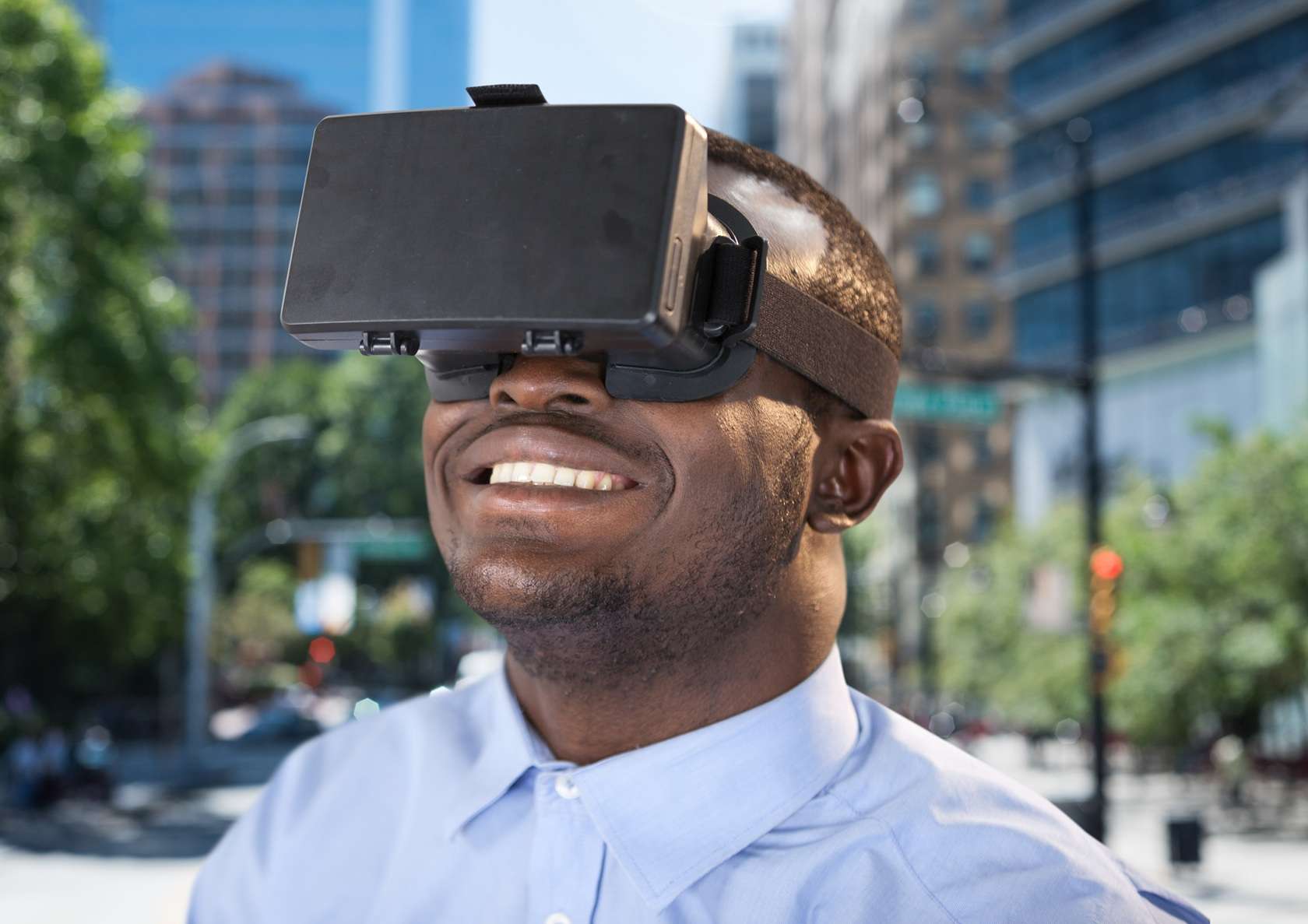
360-degree videos capture scenes in every direction, letting viewers look around using a compatible smartphone, computer, or VR headset. Virtual reality (VR) video uses immersive visuals to give viewers a more interactive way to experience a location, environment, or activation. This creates a more engaging experience by giving audiences a sense of being physically present in the recorded environment.
For example, a Nigerian real estate company could use 360-degree videos to give prospective buyers virtual tours of apartments before arranging physical inspections. Hotels and resorts could showcase their rooms and facilities, while event centres could offer virtual previews of their venues.
Choosing the Right Video Production
The best production format depends on your message, audience, platform, and marketing objectives. Live-action narratives suit brand storytelling, presenters work well for direct communication, and animation makes complex ideas easier to understand. Nigerian businesses can use these formats to create relevant video content that connects with customers and communicates their value.
If you need a video production that reflects your brand and speaks to your target audience, contact Pulse Marketing now for expert services.

Written by
Oluwafikayo Gbadegesin
Share
Other Blogs
-
Pulse
November 26, 2026
-
November 23, 2026
-
November 19, 2026
-
November 6, 2026
-
October 29, 2026
Brand Strategy, Creative Advertising,
Content Marketing, Social Media Management


OUR PRESENCE


@ Pulse Marketing 2026
Home » Five Types of Professional Video Production for Nigerian Businesses